


This post might contain affilaiate links. Learn more here
The Hidden Link Between Unresolved Trauma and Chronic Disease
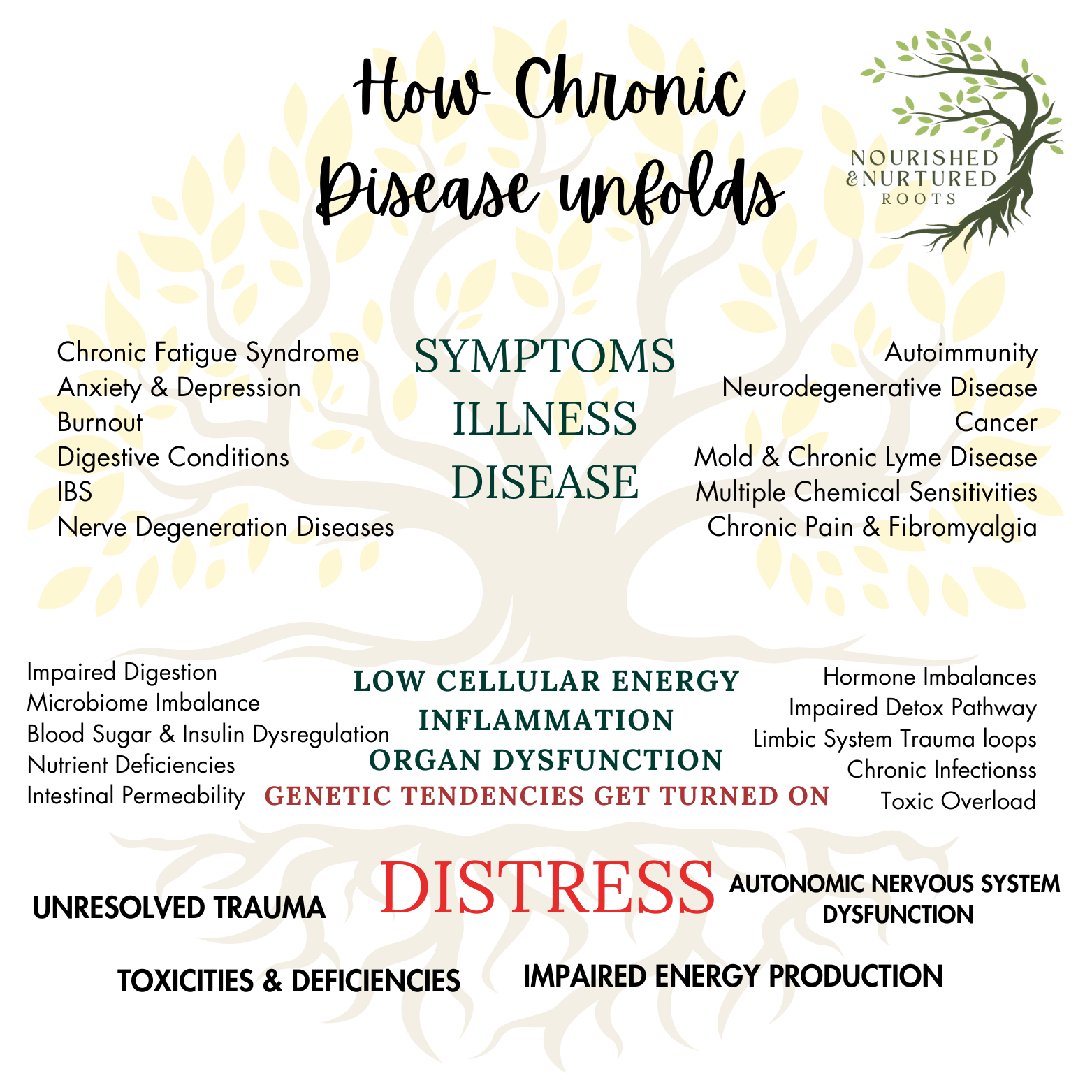
For a long time, it was believed that each chronic illness had a distinct cause. The idea was that physical diseases stemmed from physical causes, while mental and emotional issues had their roots in mental causes. However, science is now uncovering a different reality—one that aligns with ancient wisdom acknowledging the interconnectedness of mind, body, and spirit.
While our genes can make us more susceptible to certain chronic illnesses, recent scientific findings emphasise that life experiences and environmental factors are crucial for symptoms to manifest. You must’ve heard the saying: "Genes load the gun, but the environment pulls the trigger."
This blending of nature (genes and physiology) with nurture (early relationships and life experiences) significantly shapes our long-term health.
Environmental factors, including diet, stress, infections, toxins, and trauma, contribute to a substantial 70-90% of the risk for chronic illness.
Ever found yourself wondering why despite your dedication to a healthy diet and lifestyle, certain health challenges linger? Let me share the groundbreaking findings with you – unresolved trauma might be playing a much more significant role than you realise.
When trauma is left unaddressed, it weaves its way into the fabric of our nervous system, taking deep roots into our subconscious mind, impacting both our mental and physical health.
I used to be in the dark about it too, thinking not everyone is affected by trauma and that trauma is solely linked to major events like death, physical or sexual abuse. Little did I know that, it can also result from seemingly less significant experiences. Life, with all its best intentions, can be stressful and traumatic. These facts have been a bit of a blind spot for many and are relatively a newly researched field.
When contemplating the causes of disease, we typically consider the physical factors – biochemical imbalances, poor nutrition, lack of exercise, genes, environmental toxins, you know the drill. But here's a deeper layer that often flies under the radar: unresolved trauma – the root cause of many chronic diseases, as the emerging findings suggest.
Trauma is different from stress and it’s not just in your head. In fact, the impact of trauma on our nervous system and mitochondria is one of the initial breaches in the body's protective barriers. What I discovered from my research on trauma helped me make sense of my own chronic illness of disabling chronic fatigue, PPD and burnout. As I learned more about the emerging discoveries on trauma and its impact, I realised that I had experienced subtle trauma that I had never recognized.
The traumas we experience are often invisible and can seem like just a part of ordinary life. But these often stressful, overwhelming or difficult events can have a far reaching effect on our physical and mental health.
To learn about what exactly is unresolved Trauma read my blog on- What is Unresolved Trauma?
The Covert Impact of Unresolved Trauma
Chronic stress and unresolved trauma don't just play mind games; they mess with your body too. The brain becomes somewhat disorganised and overwhelmed because of the trauma while the body goes into a survival mode and shuts down the higher reasoning and language structures of the brain. When stressed, your body enters the infamous fight, flight or freeze response, releasing hormones like adrenaline and cortisol.The mitochondria - powerhouse of the cell enter into CDR Mode, abandoning all health promoting functions of the cell.
Unresolved trauma has been linked to a range of physical symptoms like chronic pain, fatigue, digestive issues, and even autoimmune diseases. Researchers have found that people with a history of trauma are more likely to develop autoimmune disorders, which happen when the immune system attacks healthy tissue in the body. Studies have also shown that people with a history of trauma have higher levels of inflammation and oxidative stress – two factors that have been linked to a range of chronic health problems.
Emerging research suggests how traumatic experiences can induce perceptions of threat in the nervous system – either through overtly traumatic events such as surviving war, natural disasters, and abuse – or in subtle and unrecognised ways that can even begin before and during birth. Trauma can occur in early relationships with parents who are emotionally unavailable (which is generally due to their own trauma).
Trauma can happen from seemingly small accidents. Either way, trauma can leave tremendous, life-altering physical as well as emotional wounds.
ACEs experience may occur during the first 18 years of life. They can include various events like receiving or witnessing abuse, neglect, and various kinds of dysfunction within the home.
Here is a brief summary of some key physiological and psychological impacts of trauma:
Chronic stress and trauma can activate the hypothalamic-pituitary-adrenal (HPA) axis, a system that regulates the body’s response to stress. The HPA axis releases hormones such as cortisol and adrenaline, which prepare the body for action by increasing heart rate, blood pressure, and glucose levels.
However, when the HPA axis is overstimulated by chronic stress and trauma, it can lead to allostatic load, a term that describes the wear and tear on the body caused by prolonged exposure to stress hormones. Allostatic load can impair the immune system, increase inflammation, and contribute to various health problems such as cardiovascular disease, diabetes, and depression.
Chronic stress and trauma can also affect the brain structure and function in various ways. For example, they can reduce the size and activity of the prefrontal cortex, the part of the brain responsible for higher cognitive functions such as planning, reasoning, and decision-making. They can also impair the hippocampus, the part of the brain involved in memory formation and consolidation. These changes can result in difficulties with learning, concentration, and emotional regulation.
On the other hand, chronic stress and trauma can increase the size and activity of the amygdala, the part of the brain that processes fear and emotional responses. This can lead to heightened anxiety, hypervigilance, and exaggerated reactions to perceived or real threats. It can also disrupt the balance between the amygdala and the prefrontal cortex, making it harder to regulate impulses and emotions.
Childhood trauma can increase the likelihood of multiple risk factors for several of the leading causes of death in adults, such as heart disease, cancer, chronic lung disease, and liver disease. Childhood trauma can also increase the risk of autoimmune diseases, such as rheumatoid arthritis, as well as frequent headaches, insomnia, depression, and anxiety. Trauma can trigger changes in the immune system that can cause or worsen inflammation, which is a common factor in many chronic diseases.
Healing from the Inside Out
So, how do you deal with this hidden culprit?
It's a journey involving emotional, physical, and spiritual aspects. A holistic health therapist can help you identify the source of your trauma, provide a safe space to release and process your emotions, and develop coping skills to heal and move forward. Meditation, releasing emotions, yoga, somatic exercises, nutrition tweaks are all tools needed to heal from trauma AND resulting chronic diseases and conditions. It truly commands a holistic approach. The road may be long, but with the right support, you can find not just physical relief but peace, balance, vitality, balance and overall well-being.
Ready for transformation?
In the realm of holistic health and mental coaching, being trauma-informed is pivotal. Holistic coaching delves into gut health, brain function, the nervous system, mitochondria, and even taps into the power of the subconscious mind. To address unresolved trauma effectively, one must tackle the emotional, physical, and spiritual aspects of healing.
It's crucial for any healing journey to address both the body and mind in a highly individualised manner. Many individuals feel stuck on their healing paths because we haven't fully grasped, understood, or dealt with this idea properly.
If you recognize any signs of unresolved trauma in yourself, seeking professional help from a trauma-informed health coach can make a significant difference. They can help you identify the source of your trauma, provide a safe space to release and process your emotions, and develop coping skills to facilitate healing and progress. You are not alone, and you deserve to live a happy life in health and gratitude.
Join my health restoration program to uncover, untangle and heal the physiological as well as the psychological root causes of your health struggles.

My Approach

Hi! I am Sheema,
MS Nutrition, HHWC and HTMA-P.
With a blend of wisdom gained from personal journey and professional expertise, I empower individuals struggling with chronic Physical and Mental health issues.



Hi there!
Sign up for Freebies!
Subscribe to our Newsletter to recieve more free content and guides related to
health and wellness!
Copyright © 2023 Sheema Imam. All rights reserved
Created withsysteme.io.